
Understanding Heat Rash: Causes, Symptoms, and Effective Prevention and Care
Discover comprehensive insights into heat rash, including its causes, symptoms, diagnosis, at-risk groups, and effective prevention and treatment strategies. Learn how to manage heat rash quickly and prevent its onset to safeguard your skin health during hot weather conditions.
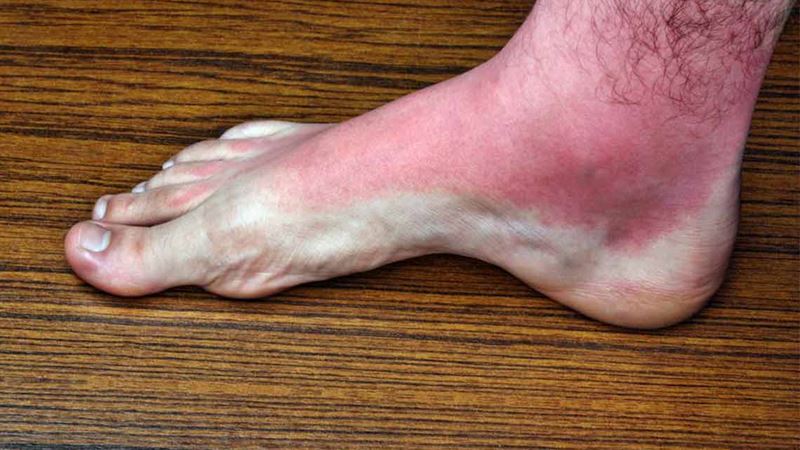
Heat rash, also known as prickly heat, is a common skin condition that arises when sweat becomes trapped in the sweat ducts of the skin. This condition can affect individuals of all ages but is particularly prevalent among infants, young children, and those exposed to hot and humid environments. Recognizing the signs and understanding the causes of heat rash is crucial in preventing discomfort and complications. In this comprehensive guide, we delve deep into the nature of heat rash, its various forms, causes, symptoms, diagnosis, vulnerable populations, effective treatments, and preventative measures.
What Is Heat Rash? An In-Depth Overview
Heat rash, medically termed as miliaria, is a skin disorder characterized by the blockage of sweat glands due to excessive sweating in hot or humid conditions. This blockage causes sweat to be trapped beneath the skin, leading to inflammation, irritation, and distinctive skin eruptions. Typically, heat rash manifests as small, itchy bumps or blisters that emerge in areas where sweat accumulates. Though often self-limiting, heat rash can cause significant discomfort if not addressed promptly.
Types of Heat Rash and Their Distinguishing Features
- Miliaria Rubra (Red Prickly Heat): This is the most common form of heat rash. It appears as clusters of tiny, red, itchy bumps on the outer layer of the skin, particularly in areas like the neck, chest, back, and limbs. It mainly occurs when sweat ducts become obstructed, trapping sweat beneath the skin’s surface.
- Miliaria Profunda (Deep Heat Rash): A less common variant that penetrates deeper into the skin layers. It tends to occur after repeated incidents of superficial heat rash. It appears as firm, flesh-colored bumps that may be more uncomfortable and persistent.
- Multifocal Miliaria: In some cases, multiple variants may coexist, leading to diverse skin symptoms depending on the severity and location.
What Causes Heat Rash? Understanding the Triggers
Heat rash primarily results from excessive heat exposure and frequent sweating. Several factors contribute to its development:
- Overbundling and Clothing Choices: Wearing tight or heavy clothing in warm weather hampers sweat evaporation, promoting sweat duct blockage.
- High Temperatures and Humidity: Hot and humid climates increase sweating, raising the risk of sweat glands becoming clogged.
- Physical Activity: Intense exercise or outdoor activities during hot weather cause increased sweating, which can trap moisture in the skin.
- Immobilization or Bedridden State: People confined to bed or with limited mobility may sweat excessively in certain areas, leading to localized heat rash.
- Skin Obstructions and Excessive Friction: Friction from clothing or skin contact can aggravate the condition.
- Inadequate Skin Hygiene: Not rinsing away sweat adequately can keep pores blocked, promoting rash formation.
It is essential to adapt clothing and activity levels according to climate to minimize the development of heat rash. Ensuring breathable fabrics and maintaining skin hygiene can significantly reduce risk.
Recognizing the Symptoms of Heat Rash
Early detection of heat rash leads to more effective relief and prevents the progression to more severe irritation. The symptoms include:
- Appearance of Tiny Vesicles or Pimples: Small, raised bumps resembling tiny pimples appear at the site of sweat duct blockage. These may be red or skin-colored.
- Red or Pink Patches: Areas of skin turn red or pink, indicating inflammation. These patches may develop into pustules if infected.
- Itchiness and Discomfort: The affected skin often feels itchy, prickly, or stinging, especially after sweating or friction.
- Localized Swelling: Mild swelling may occur around the rash area.
Locations commonly affected include:
- Neck
- Face
- Abdomen
- Back
- Groin
- Buttocks
- Under the breasts
- Elbow folds
If untreated, the rash may worsen, leading to increased irritation or secondary skin infections, especially when the skin is rubbed or kept moist.
How Is Heat Rash Diagnosed?
Typically, a healthcare provider can diagnose heat rash based on its characteristic appearance and location. No special tests are usually necessary. However, in cases where symptoms persist beyond a few days, or if infection signs appear, further evaluation might be needed.
- Check for signs of skin infection, such as:
- Increased redness, warmth, swelling, or pain around the rash
- Spreading of red bumps to neighboring areas
- Presence of pus or crusting
- Swollen lymph nodes nearby (neck, armpits, groin)
- Fever exceeding 100.4°F or chills without known cause
If such signs are observed, prompt medical consultation is crucial to prevent complications.
Who Is Most Vulnerable to Developing Heat Rash?
While anyone can develop heat rash under certain conditions, some groups are at higher risk:
- Infants and young children, due to their immature sweat glands.
- People living in tropical or hot, humid climates.
- Individuals engaged in vigorous outdoor activities or strenuous exercise in the heat.
- Overweight or obese individuals, as excess body mass can hinder heat dissipation.
- Patients confined to bed, nursing homes, or with limited mobility.
- Military personnel exposed to high temperatures during training or duty.
- Individuals with decreased or absent sweating due to congenital conditions or neurological impairments.
Effective Strategies for Treating Heat Rash
Most cases of heat rash resolve naturally within a few days, but some measures can accelerate healing and soothe discomfort:
- Immediate Cooling and Clothing Adjustment: Remove or loosen tight clothing, especially in the affected area, and move to a cool, shaded environment.
- Gentle Skin Care: Wash the rash area with cool water and mild soap. Pat dry gently—avoid rubbing to prevent irritation.
- Avoiding Irritants: Refrain from applying ointments, creams, or lotions to the rash unless prescribed, as they may trap heat or worsen the condition.
- Maintaining Skin Hygiene: Keep the affected area clean and dry to prevent secondary infections.
- Using Cool Compresses: Applying a cool, damp cloth can reduce itching and inflammation.
In persistent or severe cases, medical treatments such as topical corticosteroids or antihistamines may be recommended by a healthcare professional.
Preventative Measures to Avoid Heat Rash
Prevention is always better than cure. Adapting daily routines and environmental factors can significantly reduce risk:
- Wear Breathable Clothing: Favor loose-fitting, lightweight, and natural fabrics like cotton to promote airflow.
- Stay Hydrated: Drink plenty of fluids to regulate body temperature and support sweat evaporation.
- Avoid Overdressing: Dress appropriately for the weather. Use layers that can be removed easily in hot conditions.
- Keep Skin Dry and Cool: Use fans, air conditioning, or ventilated spaces to control indoor temperatures.
- Use Suitable Sunscreens: Choose water-resistant, non-comedogenic sunscreens that do not clog sweat glands. Natural extracts like aloe vera or cucumber soothe the skin.
- Hygiene and Skin Care: Regular bathing to remove sweat and impurities, especially after outdoor activities, helps prevent pore blockage.
- Avoidance of Heavy Lotions: Stick to light, breathable lotions that do not obstruct sweat glands.
Final Thoughts: Managing and Preventing Heat Rash Effectively
While heat rash is generally a mild and self-limiting condition, it can cause significant discomfort if neglected. Understanding its causes, recognizing the symptoms early, and implementing effective treatment and preventive measures can make a big difference. Always stay vigilant during hot and humid weather, especially for infants, the elderly, and vulnerable groups. If symptoms worsen or involve signs of infection, consult healthcare professionals promptly for appropriate interventions. With proper care, heat rash can be managed successfully, allowing you to enjoy the warmth without compromising your skin health.