
Understanding Heat Rash: Causes, Symptoms, and Effective Treatment Strategies
This comprehensive guide explores heat rash causes, symptoms, and effective treatment techniques. Learn how to identify, manage, and prevent prickly heat with home remedies, lifestyle tips, and when to seek medical help. Ideal for those living in or traveling to hot climates, this article offers practical advice to keep skin healthy and comfortable during summer months.
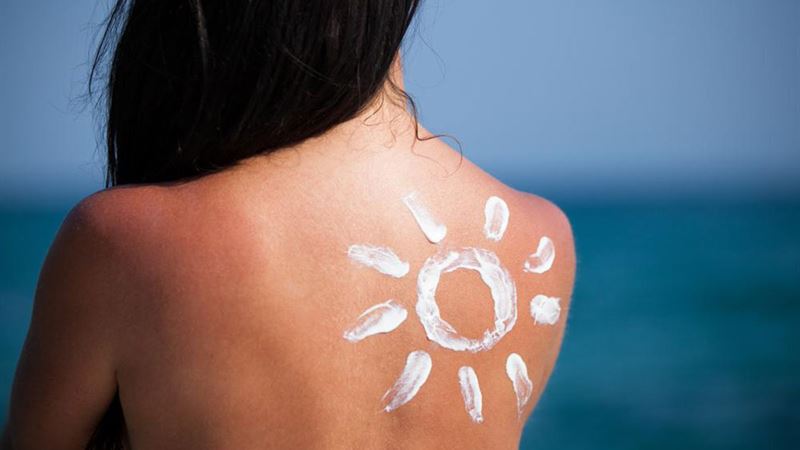
Heat rash, also known as prickly heat or miliaria, is a common skin condition that occurs when sweat gets trapped beneath the skin due to blocked sweat glands. This leads to inflammation and skin discomfort. The primary cause of heat rash is excessive sweating combined with blocked pores, often aggravated by environmental and personal factors. Understanding the causes, recognizing the symptoms, and knowing the right treatment approaches can help manage and prevent this uncomfortable skin condition.
- Prolonged exposure to high temperatures and direct sunlight
- Poor personal hygiene and infrequent bathing
- Using heavy or greasy lotions and oils that clog pores
- Wearing tight or non-breathable clothing
- Overexertion during hot and humid weather
Recognizing the Symptoms of Heat Rash
Heat rash manifests through small, red or pink bumps on the skin, often accompanied by a prickling or tingling sensation. The affected skin may feel itchy or uncomfortable, and tiny blisters or beads of sweat can also be visible. The rash commonly appears in areas where sweat tends to accumulate, such as the neck, chest, back, shoulders, and groin. The sensation of prickliness is similar to a sunburn, but it’s caused by trapped sweat rather than sun exposure.
Heat rash manifests through small, red or pink bumps on the skin, often accompanied by a prickling or tingling sensation. The affected skin may feel itchy or uncomfortable, and tiny blisters or beads of sweat can also be visible. The rash commonly appears in areas where sweat tends to accumulate, such as the neck, chest, back, shoulders, and groin. The sensation of prickliness is similar to a sunburn, but it’s caused by trapped sweat rather than sun exposure.
While heat rash can appear on any part of the body, it is more prevalent in areas where clothing causes friction or trapping of moisture. Though uncomfortable, it is not contagious and cannot be spread from person to person. The severity of the rash depends on the extent of sweating and the sensitivity of the individual’s skin.
There are primarily three types of heat rash:
Clear or Miliaria Crystallina – The mildest form, characterized by tiny, clear blisters that usually resolve spontaneously without treatment.
Red or Miliaria Rubra – This is more common and presents as red bumps or patches on the outer skin surface. It often causes itching and discomfort.
Deep or Miliaria Profunda – This occurs after repeated episodes of heat rash, where inflamed sweat ducts extend deeper into the skin layers, leading to persistent and more severe symptoms.
Clear or Miliaria Crystallina – The mildest form, characterized by tiny, clear blisters that usually resolve spontaneously without treatment.
Red or Miliaria Rubra – This is more common and presents as red bumps or patches on the outer skin surface. It often causes itching and discomfort.
Deep or Miliaria Profunda – This occurs after repeated episodes of heat rash, where inflamed sweat ducts extend deeper into the skin layers, leading to persistent and more severe symptoms.
Diagnosis is typically based on clinical observation, with a healthcare professional examining the affected areas and evaluating symptoms. In most cases, no special tests are necessary unless secondary infection or other skin conditions are suspected.
Effective Treatment Options for Heat Rash
Managing heat rash involves a combination of home remedies, lifestyle modifications, and, in some cases, medical intervention. The goal is to soothe inflammation, reduce itching, prevent infection, and promote healing. Mild cases can often be treated effectively at home, whereas severe or recurrent cases may require professional medical care.
Managing heat rash involves a combination of home remedies, lifestyle modifications, and, in some cases, medical intervention. The goal is to soothe inflammation, reduce itching, prevent infection, and promote healing. Mild cases can often be treated effectively at home, whereas severe or recurrent cases may require professional medical care.
Home remedies and over-the-counter products are the frontline strategies. These include topical applications like calamine lotion and mild corticosteroid creams, alongside preventive measures such as staying in cool environments and maintaining proper hygiene. When an infection develops, antibiotics may be necessary, prescribed by a healthcare professional.
For mild heat rash, simple steps can provide relief. Cool compresses help alleviate prickly sensations, and staying in air-conditioned spaces reduces sweating. Avoiding tight or non-breathable clothing minimizes friction and moisture buildup. Keeping the skin dry and clean is crucial to prevent further irritation and secondary infections.
Some specific treatments and remedies include:
- Gently washing affected areas with mild soap and water, then patting dry
- Creating a cool, airy environment to prevent sweating
- Applying cold packs or ice wrapped in cloth to soothe inflamed skin
- Using over-the-counter calamine lotion or hydrocortisone creams to relieve itching
- Taking antihistamines to reduce allergic-type itching in severe cases
Effective Home Remedies for Heat Rash Relief
Several natural remedies can help soothe irritated skin and speed up healing. These remedies are simple, safe, and accessible:
Several natural remedies can help soothe irritated skin and speed up healing. These remedies are simple, safe, and accessible:
- Cool Compresses: Wrap a handful of ice cubes in a soft cloth and gently apply to affected zones. This reduces inflammation and alleviates discomfort effectively.
- Oatmeal Baths: Oatmeal possesses anti-inflammatory and soothing properties. Add a cup of finely ground oatmeal into a lukewarm bath. Soak for approximately 20-30 minutes, then gently pat dry. Repeat twice daily for optimal relief.
- Sandalwood Paste: Known for its cooling and anti-itch properties, sandalwood can be made into a paste with water and applied directly to rashes. It alleviates itchiness, cools the skin, and promotes healing.
- Fuller’s Earth (Multani Mitti): Its cooling and anti-inflammatory qualities make it ideal for treating heat rashes. Mix with rose water to form a thick paste, apply on affected areas, let it dry, then wash off with cool water.
- Baking Soda: Acting as a gentle exfoliant, baking soda can unclog pores. Mix one teaspoon in a cup of water, soak a clean cloth, and hold on the affected area for about 10 minutes. Repeat a few times weekly for best results.
Preventive Strategies to Avoid Heat Rash
Preparing ahead during hot weather can significantly reduce the risk of developing heat rash. Here are some essential preventive tips:- Wear loose-fitting, breathable clothing made from natural fabrics like cotton.
- Avoid tight-fitting garments that trap moisture and restrict air circulation.
- Stay in shaded or air-conditioned environments whenever possible, especially during peak heat hours.
- Maintain good personal hygiene by bathing regularly and thoroughly drying skin folds.
- Stay well-hydrated by drinking plenty of water throughout the day to regulate body temperature.
- Use cooling powders or talcum in sweat-prone areas to keep skin dry.
- Avoid strenuous physical activity during the hottest part of the day or in humid conditions.