
Understanding Ringworm: Transmission, Risk Factors, Symptoms, and Prevention Strategies
This comprehensive guide explores ringworm, including its transmission methods, risk factors, symptoms, accurate diagnosis, effective treatments, and prevention strategies. Understanding these aspects can help individuals prevent infection and seek timely medical care, ensuring better management of this common fungal condition. The article emphasizes hygiene practices and cautions against improper use of steroid creams, providing valuable insights for overall skin health and infection control.
- Touching surfaces previously contaminated by infected humans or animals.
- Handling or grooming animals carrying the fungus.
- Contact with contaminated soil containing fungal spores.
Primary Risk Factors for Ringworm
Several factors can increase the likelihood of developing ringworm, a highly contagious fungal infection. Recognizing these risk factors can help in early prevention and targeted treatment:
- Wearing tight or restrictive clothing that causes skin irritation.
- Having a weakened immune system, either due to illness, medication, or age.
- Residing in warm and humid climates where fungi thrive.
- Participation in contact sports such as wrestling, rugby, or martial arts.
- Sharing personal items like towels, bedding, or clothing within close communities.
Common Symptoms and Signs of Ringworm
Early detection of ringworm involves observing specific skin changes and discomforts:
- Intense itching and skin irritation.
- Formation of distinctive ring-shaped patches that expand outward.
- Overlapping or multiple rings on the same skin area.
- Scaly, flaky, or crusted skin lesions on the arms, legs, trunk, or buttocks.
Recognizing these symptoms early and consulting healthcare providers can facilitate prompt diagnosis and prevent further spread.
How Doctors Diagnose Ringworm
Effective diagnosis typically involves physical examination and laboratory testing. Healthcare professionals examine the affected area, looking for characteristic ring-shaped lesions. Additionally, they may:
- Take a small skin scraping for microscopic analysis.
- Send a sample for fungal culture to identify the specific pathogen.
- Ask about medical history, including when symptoms began and any previous fungal infections in the family or on pets.
- Inquire about current medications and any treatments already attempted.
Preparing detailed answers to these questions helps in swift, accurate diagnosis, leading to targeted therapy.
Comprehensive Treatment Approaches
Management of ringworm depends on the location and severity of the infection. Most cases respond well to OTC treatments, but some persistent or severe infections require prescription antifungal medications. Treatment strategies include:
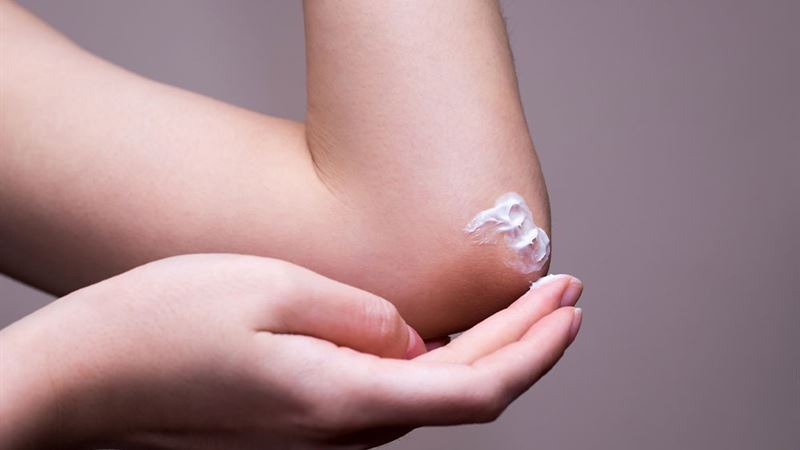
- Topical antifungal creams, powders, or ointments for localized skin infections.
- Prescription antifungal medications, including oral tablets or capsules, for scalp or widespread infections.
- Maintaining good hygiene practices, keeping the affected area clean and dry, to enhance treatment efficacy.
Managing Skin Ringworm
Over-the-counter antifungal treatments like clotrimazole, miconazole, or terbinafine can effectively combat skin infections. These medications are generally applied twice daily for at least two to four weeks. It’s vital to adhere to application instructions, continuing treatment even after symptoms resolve to prevent recurrence.
If the skin infection persists beyond the recommended duration or worsens, consulting a healthcare professional is essential for advanced therapies or prescription medications.
Addressing Fungal Infections on the Scalp
Fungal infections on the scalp often require more aggressive treatment. Symptoms may include scalp scaling, bald patches, dandruff, and sometimes folliculitis. OTC medicated shampoos containing antifungal agents like ketoconazole or selenium sulfide can help in mild cases, reducing fungal load and inflammation. However, many individuals need prescription-strength treatments, including oral antifungal drugs such as griseofulvin or terbinafine.
Seeking advice from a dermatologist ensures accurate diagnosis and appropriate therapies. Treatment duration can extend from several weeks to months, depending on the severity.
The Risks of Using Steroid-Based Creams
While corticosteroid creams are commonly used for skin conditions, their misuse in fungal infections can be detrimental. Applying steroid creams without medical guidance can suppress symptoms temporarily but worsen the infection, leading to a more extensive and resistant fungal proliferation. Always consult a healthcare professional before using any topical steroid for suspected ringworm.
Preventive Measures and Best Practices
Preventing ringworm involves consistent hygiene and lifestyle strategies to minimize exposure and transmission:
- Wash hands thoroughly and frequently, especially after contact with potentially contaminated objects or animals.
- Avoid sharing personal items such as towels, clothing, or bedding with others.
- Ensure all linens, including sheets and pillowcases, are washed regularly in hot water and dried properly.
- Change socks and underwear daily, laundering them thoroughly after use.
- Keep the skin dry and clean, particularly in skin folds or areas prone to sweating.
- Wear flip-flops or shower shoes in communal showers or locker rooms.
- Educate children and community members about the nature of ringworm and preventive practices.
Implementing these measures significantly decreases the risk of infection and aids in controlling outbreaks within families, schools, or sports teams. Being vigilant and proactive is essential in minimizing the spread of ringworm and maintaining skin health.