
Essential Guidelines for Effective Fertilization of Strawberry Cultivation
This comprehensive guide covers essential strategies for fertilizing strawberry plants effectively. It explains the importance of timing, nutrient selection, and application techniques, including organic and commercial options. With detailed tips for healthy growth, fruit production, and soil health, this article is perfect for both novice and experienced gardeners aiming for bumper strawberry yields and sustainable practices.
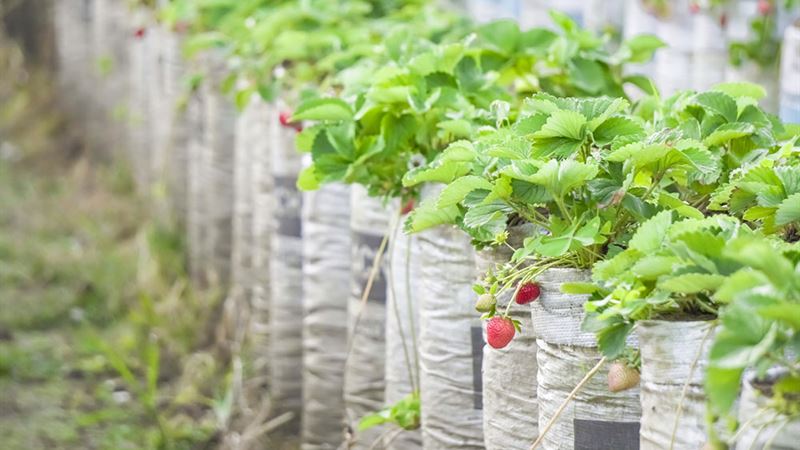
The Importance of Proper Fertilization for Strawberry Plants
Fertilizer application provides plants with essential nutrients necessary for vigorous growth and fruit development. For strawberries, these nutrients include nitrogen, phosphorus, potassium, and trace minerals, all of which are vital for various physiological functions. Applying appropriate fertilization not only promotes lush foliage and strong roots but also enhances flowering and yields. Moreover, maintaining soil nutrient balance helps prevent common problems such as diseases, poor fruit quality, and stunted growth.
The timing of fertilization plays a crucial role. Knowing the right moment to feed your strawberry plants can significantly impact their productivity. Typically, the initial fertilization should coincide with the start of the plant’s active growth phase, which usually begins when soil temperatures reach around 50°F (10°C). During this period, the applications should be based on soil testing and plant needs to prevent deficiencies or excesses that could harm the plants.
Soil temperature is a pivotal factor influencing plant growth. When the temperature is right, the plants are more receptive to nutrients, ensuring better absorption and utilization. Monitoring soil temperature with a simple thermometer or soil probe helps determine the ideal time for fertilization, especially when transitioning from dormant to active growth phases.
Best Practices for Fertilizer Application
Successful fertilization involves selecting the right type of fertilizer, applying at the correct time, and using suitable techniques. Both liquid and granular fertilizers are effective, but their applications differ based on growth stages and environmental conditions.
- Granular Fertilizers
Granular fertilizers are commonly used for their ease of application and long-lasting effects. When using these, spread them evenly across the soil surface. It's advisable to use a garden rake or hand to distribute the fertilizer uniformly, especially in bed or container plantings. After application, water thoroughly to help dissolve the nutrients, facilitating their movement into the root zone. Repeat this process 2-4 times weekly if necessary, but be cautious in raised beds where overfeeding can cause root damage. Always follow the manufacturer’s instructions regarding application rates and frequency to prevent issues like root burn or nutrient runoff. - Liquid Fertilizers
Liquid fertilizers are absorbed rapidly and are ideal for targeted feeding, especially during active growth or stress recovery. They should be diluted according to the instructions before applying using a watering can or sprayer. Apply the solution around the base of the plants, avoiding contact with leaves and foliage to prevent damage or fungal issues. Regular applications, about once a week, can support vigorous growth and flowering. Remember to clean your tools after fertilization to prevent cross-contamination and ensure cleanliness.
Post-fertilization hygiene is crucial. Always wash strawberries thoroughly before consumption to eliminate traces of fertilizer residues, soil contaminants, or potential pathogens. Proper cleaning safeguards your health and ensures you enjoy the fruits at their best quality.
Choosing the Ideal Fertilizer for Strawberry Plants
Selecting the appropriate fertilizer involves understanding the nutrient requirements of strawberries and assessing soil conditions. A balanced fertilizer with an equal or nearly equal amount of nitrogen, phosphorus, and potassium—often denoted as NPK—is usually recommended for optimal growth. Typical formulations such as 10-10-10 or 20-20-20 provide a good starting point for healthy root development, lush foliage, and abundant fruiting.
Examining fertilizer labels is essential. The NPK ratios indicate the proportion of each nutrient—the first number for nitrogen (promotes leafy growth), the second for phosphorus (encourages root and flower development), and the third for potassium (supports overall plant health and disease resistance). An ideal fertilizer should have balanced or slightly higher potassium and phosphorus levels to support fruit set and quality.
Organic versus Synthetic Fertilizers
For gardeners preferring environmentally friendly options, organic fertilizers are a sustainable choice. They enrich the soil gradually, improve microbial activity, and support long-term soil health. Organic options include compost, fish emulsion, seaweed extract, coffee grounds, and banana peels, each providing essential nutrients naturally.
- Compost Tea
Made from steeping organic compost in water, compost tea serves as a potent organic fertilizer. It supplies beneficial microorganisms along with nutrients, fostering healthy plant growth. Preparing compost tea takes about 10-15 days but yields a rich, nutrient-dense liquid that can be applied as a foliar spray or soil drench. - Coffee Grounds
Rich in nitrogen, used coffee grounds can be directly added to compost or sprinkled lightly around the base of plants. They enhance soil fertility, stimulate microbial activity, and improve soil structure. - Banana Peel Solution
Soaking banana peels in water extracts essential minerals like potassium, calcium, magnesium, and phosphorus. After soaking for a few days, dilute the liquid and apply it to the soil or as a foliar spray, promoting healthy fruit development. - Fish Emulsion
Derived from fish remains, fish emulsion is a quick-acting fertilizer high in nitrogen. Dilute with water (generally one part emulsion to ten parts water) and apply to the soil or foliage, especially during rapid vegetative growth. It supports lush foliage and can correct nitrogen deficiencies showing as yellowing leaves. - Seaweed Extract
Rich in micronutrients and growth-promoting hormones, seaweed extract helps strawberries endure heat and stressful conditions. Regular application enhances resilience, root growth, and fruit quality.
Commercial fertilizers offer a convenient alternative with pre-measured NPK compositions tailored for strawberries. When choosing these products, always check the label for nutrient ratios and application instructions. Organic options, though slower-acting, provide sustainable, eco-friendly solutions that align with organic gardening principles while producing comparable yields and fruit quality.
This detailed guide aims to help gardeners optimize their strawberry fertilization routines, ensuring healthy plants, abundant harvests, and fruitful gardening experiences.