
Effective Strategies for Managing Swollen Legs and Feet During Pregnancy
This comprehensive guide offers effective methods for managing swollen ankles and feet during pregnancy. From staying hydrated and avoiding tight clothing to regular movement and dietary adjustments, learn practical tips to reduce swelling. Implementing these lifestyle strategies can promote better circulation, relieve discomfort, and support overall health throughout your pregnancy. Always consult your healthcare provider for personalized advice and monitor symptoms to ensure a healthy pregnancy experience.
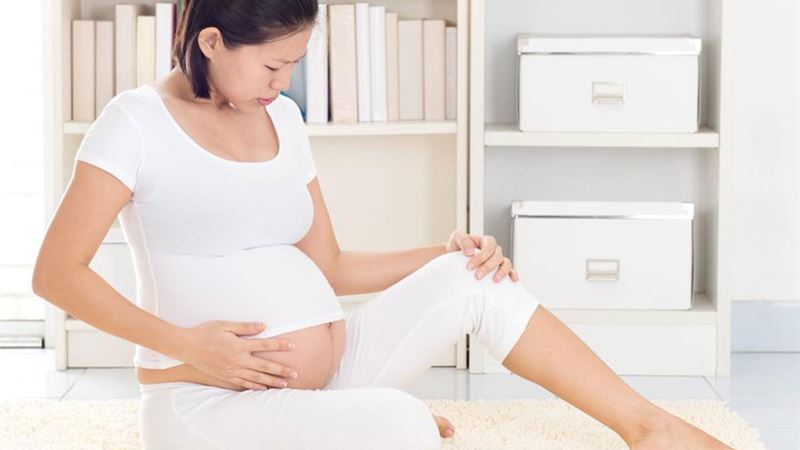
Minimize Prolonged Sitting or Standing: It is essential during pregnancy to avoid remaining in one position for extended periods. Sitting or standing for too long can impede proper blood circulation, leading to fluid buildup in the lower extremities. To promote healthy blood flow, expectant mothers should take regular breaks by walking around the house or changing positions frequently. Incorporating short, gentle walks into your daily routine can significantly help reduce swelling. Additionally, elevating your legs when resting can facilitate better circulation and decrease fluid retention in ankles and feet.
Maintain Adequate Hydration: Drinking sufficient water plays a vital role in managing swelling during pregnancy. Proper hydration helps to regulate body fluids, prevents dehydration, and flushes out excess toxins, which can contribute to swelling. Aim to consume at least 8-10 glasses of water daily, unless advised otherwise by your healthcare provider. Hydration not only supports overall health but also reduces fluid accumulation in the lower limbs, alleviating discomfort caused by swollen ankles and feet.
Opt for Loose and Comfortable Clothing: Tight clothing, especially those with elastic bands or restrictive waistlines, can hinder blood flow, worsening swelling issues. During pregnancy, it is advisable to wear loose-fitting, breathable garments that do not constrict circulation. Lightweight dresses, maternity wear with elastic-free waistbands, and flowy fabrics can enhance comfort and reduce the pressure exerted on swollen areas. Proper clothing choices facilitate better blood flow and can significantly diminish swelling symptoms.
Monitor and Reduce Salt Intake: Excess salt in the diet can lead to increased water retention, exacerbating swelling in ankles and legs. Limiting salty foods such as processed snacks, canned soups, and fast food can help minimize fluid build-up. Instead, opt for fresh, whole foods rich in natural flavors, using herbs and spices to season meals. Managing salt consumption is a simple yet effective way to control swelling and promote a healthier pregnancy.
Engage in Regular Foot and Toe Exercises: Even while seated, performing gentle exercises like stretching the feet and toes can encourage better circulation. Moving the feet and flexing the toes periodically prevent blood stagnation and reduce fluid retention. Elevating the feet when resting, and incorporating simple leg lifts or ankle rotations, can further alleviate swelling. Consistent movement helps ensure proper blood flow, providing relief from swollen legs and ankles.
In addition to these lifestyle adjustments, pregnant women should also wear supportive compression stockings if recommended by their healthcare provider. Monitoring weight gain, avoiding excessive heat exposure, and seeking medical advice if swelling worsens or is accompanied by other symptoms such as pain or high blood pressure are also important steps for managing swelling effectively. Remember, while mild swelling during pregnancy is common, persistent or severe swelling requires professional evaluation to rule out other underlying conditions. Maintaining a balanced diet, staying active within comfort limits, and practicing these strategies can go a long way in keeping swelling under control and ensuring a comfortable pregnancy journey.